Brain tumour surgery
Brain tumour surgery is a specialist treatment used for selected patients with problems affecting your condition. The exact approach depends on your diagnosis, test results, overall health and previous treatment. In India, the specialist team normally reviews your medical records first, confirms whether the treatment is suitable, and then provides a personalised plan, expected hospital stay and written cost estimate.

What does this treatment involve?
Brain tumour surgery aims to obtain tissue for diagnosis and remove as much tumour as safely possible while protecting neurological function.
The information below explains the usual pathway in simple language. Your actual plan can differ after examination, review of scans and discussion with the treating specialist.
This information is educational. It cannot tell whether this procedure is right for an individual patient. Suitability must be confirmed after specialist review.
Cancer treatment normally starts with confirmation of the diagnosis and stage. This may involve pathology/biopsy review, CT, MRI or PET imaging, blood tests and sometimes molecular or genetic tests that help guide treatment.
A multidisciplinary cancer team may combine surgery, chemotherapy, radiotherapy, targeted therapy or immunotherapy. The sequence depends on cancer type, stage, tumour biology, previous treatment and the patient’s general health.
Treatment may aim to cure the cancer, reduce the chance of recurrence, control disease, shrink a tumour before surgery or relieve symptoms when cure is not possible.
Recovery is highly individual. Some treatments are outpatient, while major surgery may require inpatient recovery. Follow-up commonly includes pathology review, surveillance imaging, medicines and a written plan for care after returning home.
Your treatment journey
Upload recent reports securely for review.
The specialist team checks diagnosis and suitability.
Receive hospital options, likely stay and written estimate.
Visa/travel support, admission and treatment in India.
Discharge, follow-up plan and travel clearance.
Continue follow-up with India team and your local doctor.
Brain tumour surgery at a glance
Use these visual steps together with the detailed tabs below.

Choose the question you want answered
Overview
Brain tumour surgery aims to obtain tissue for diagnosis and remove as much tumour as safely possible while protecting neurological function. Treatment may aim to cure the cancer, reduce the chance of recurrence, control disease, shrink a tumour before surgery or relieve symptoms when cure is not possible.

Who Needs It
This treatment is considered only when the diagnosis, symptoms, test results and expected benefit make it appropriate. A specialist must review alternatives, overall health and any conditions that could increase treatment risk.
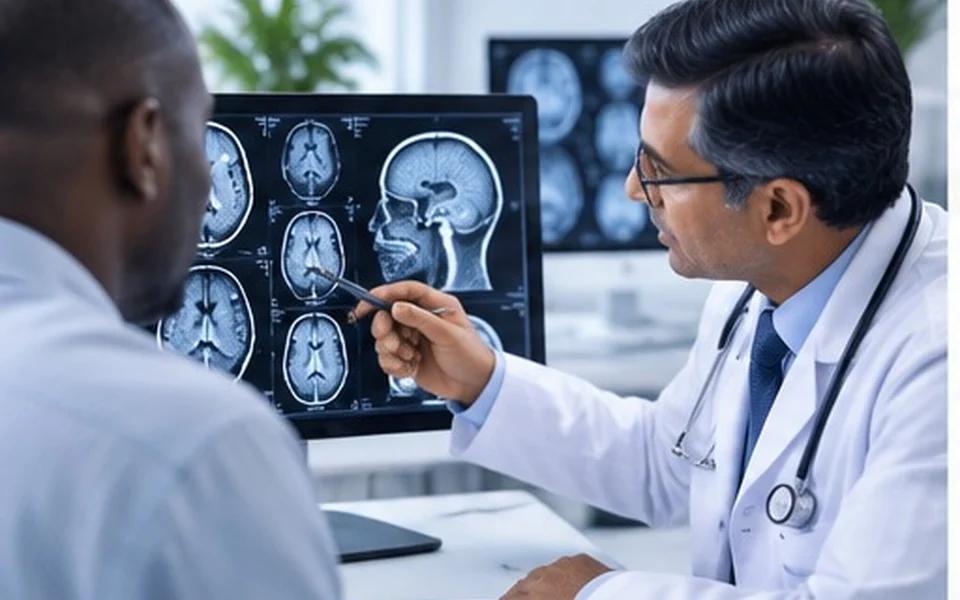
Tests & Diagnosis
Cancer treatment normally starts with confirmation of the diagnosis and stage. This may involve pathology/biopsy review, CT, MRI or PET imaging, blood tests and sometimes molecular or genetic tests that help guide treatment.
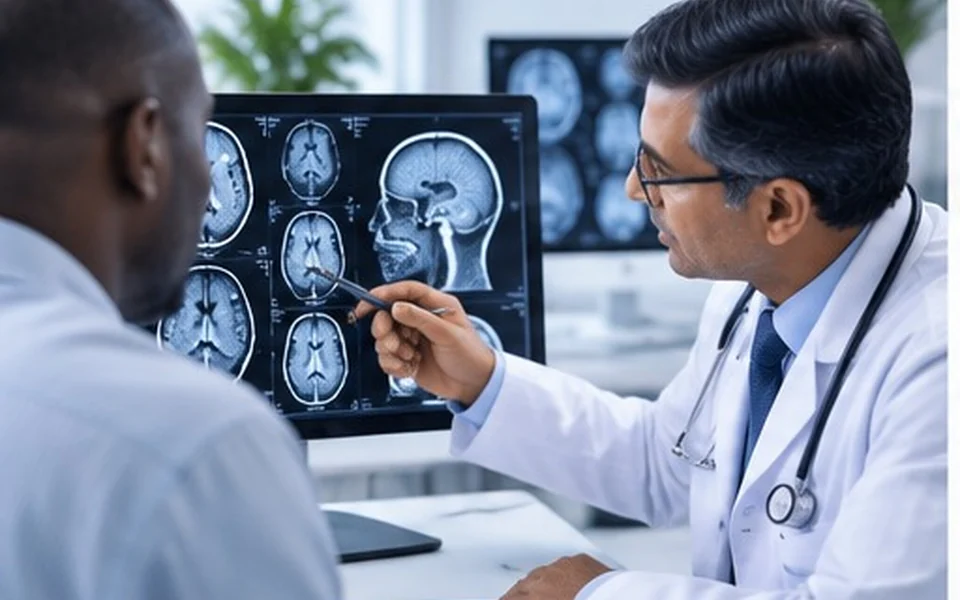
Procedure Steps
A multidisciplinary cancer team may combine surgery, chemotherapy, radiotherapy, targeted therapy or immunotherapy. The sequence depends on cancer type, stage, tumour biology, previous treatment and the patient’s general health.
- Medical-record review before travel
- Specialist consultation and consent
- Pre-treatment tests and anaesthetic assessment
- Treatment or operation
- Monitored recovery and discharge planning
- Follow-up and travel clearance
Benefits
Treatment may aim to cure the cancer, reduce the chance of recurrence, control disease, shrink a tumour before surgery or relieve symptoms when cure is not possible.

Risks
Side effects depend on the treatment and may include fatigue, nausea, infection risk, low blood counts, skin changes, organ-specific effects or surgical complications. The oncology team explains expected and serious side effects before treatment.
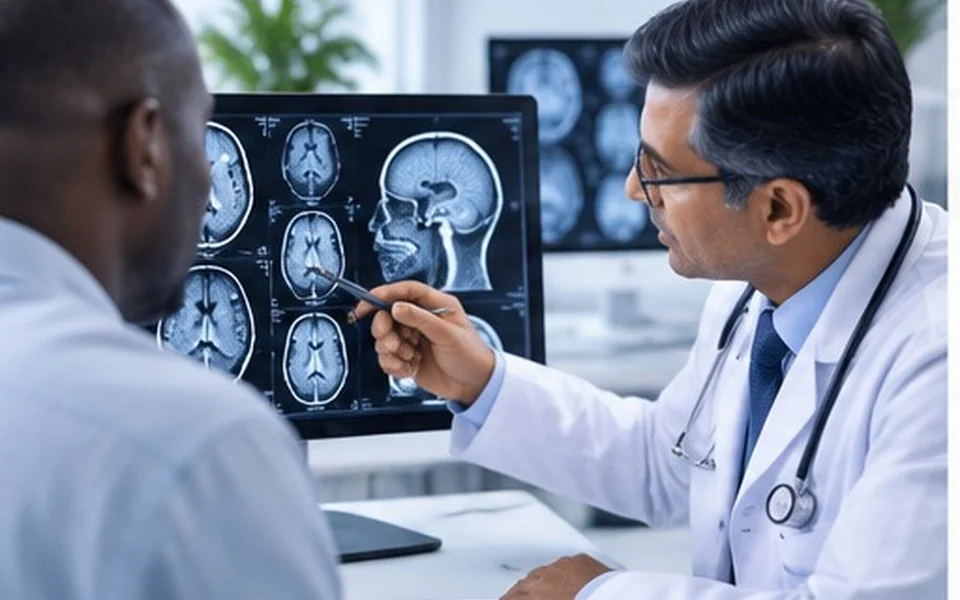
Recovery
Recovery is highly individual. Some treatments are outpatient, while major surgery may require inpatient recovery. Follow-up commonly includes pathology review, surveillance imaging, medicines and a written plan for care after returning home.

Cost
The current planning range in the approved strategy is $3,000–$12,500+. This is a guide only. Final cost depends on hospital, doctor, room category, tests, implants or medicines, complexity and length of stay.

Hospitals & Doctors
We match each case to hospitals and specialists whose verified clinical services fit the patient's diagnosis. Provider profiles should be checked for current affiliation, specialty and verification date before being shown.

FAQ
Send your latest reports, diagnosis details and relevant scans. A case coordinator can organise medical review and request suitable treatment options from the hospital panel.

Provider matching should follow the diagnosis.
Hospital and doctor profiles on this platform are intended to publish only after current affiliation, specialty and evidence fields are verified. For a live case, you can submit reports and request suitable options from the hospital panel.
Request Provider OptionsWhat we compare
- Relevant specialty and procedure capability
- Current doctor affiliation
- International patient services
- Hospital location and travel practicalities
- Written estimate and inclusions
- Verification date
Upload your reports for medical review.
Receive suitable hospital options, likely treatment steps and a written estimate after the case is reviewed.