TAVR / TAVI
TAVR / TAVI is a specialist treatment used for selected patients with problems affecting heart and blood vessels. The exact approach depends on your diagnosis, test results, overall health and previous treatment. In India, the cardiac team normally reviews your medical records first, confirms whether the treatment is suitable, and then provides a personalised plan, expected hospital stay and written cost estimate.
What does this treatment involve?
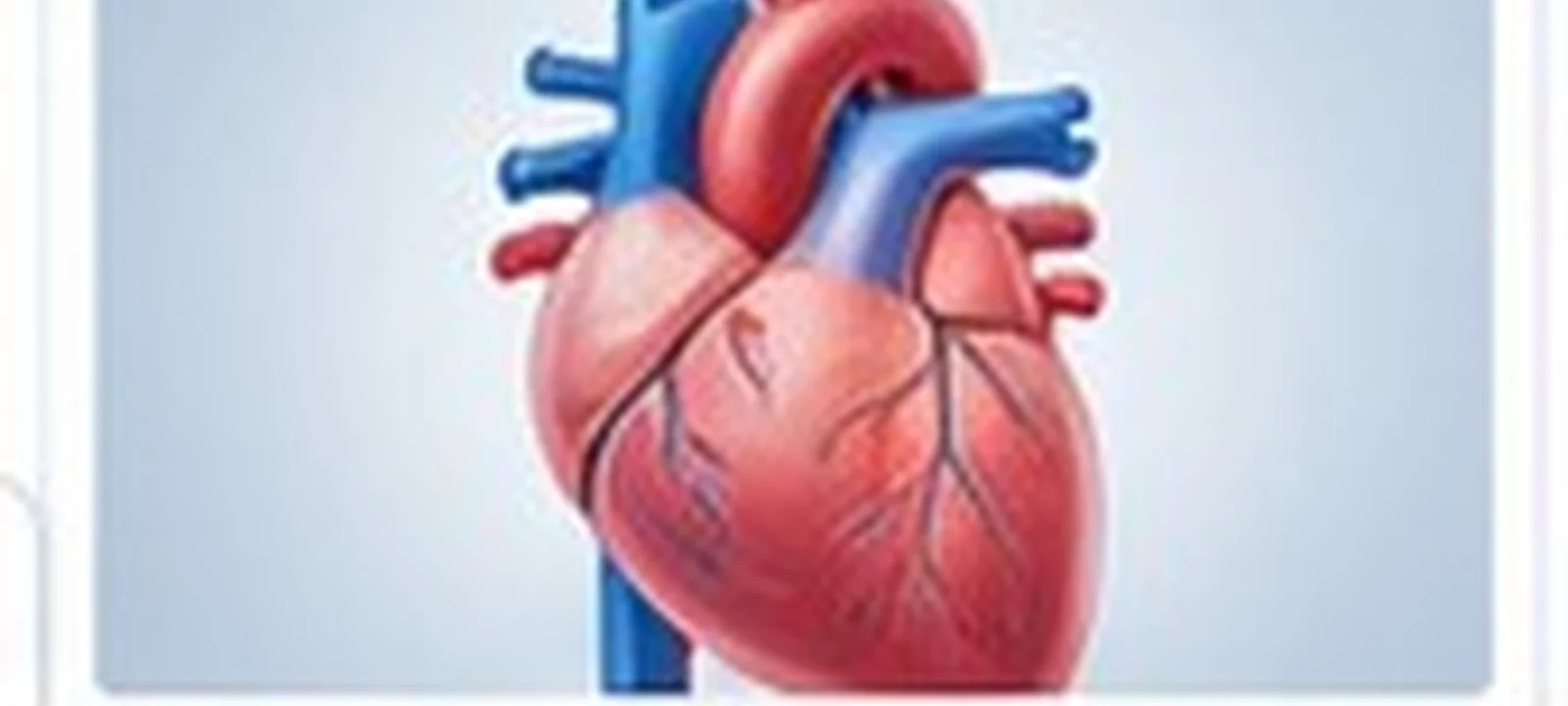
TAVR/TAVI places a new aortic valve through a catheter, most commonly from an artery in the groin, without conventional open-heart valve surgery.
The information below explains the usual pathway in simple language. Your actual plan can differ after examination, review of scans and discussion with the treating specialist.
This information is educational. It cannot tell whether this procedure is right for an individual patient. Suitability must be confirmed after specialist review.
Common pre-treatment assessment can include an ECG, echocardiogram, blood tests, chest imaging and—when relevant—coronary angiography or CT. The cardiology team also reviews medicines, kidney function, diabetes and anaesthetic risk.
Cardiac procedures are planned after cardiology and cardiac-surgery review. Depending on the treatment, care may involve catheter-based treatment or surgery under anaesthesia, close monitoring afterwards, early mobilisation and a structured discharge plan.
The goal is usually to improve blood flow or heart function, reduce symptoms such as chest pain or breathlessness, and lower the risk of future complications when the procedure is appropriate.
Recovery may range from a short stay after catheter treatment to several days after open-heart surgery. Walking, breathing exercises, wound care, medication review and cardiac rehabilitation are commonly part of recovery.
Your treatment journey
Upload recent reports securely for review.
The specialist team checks diagnosis and suitability.
Receive hospital options, likely stay and written estimate.
Visa/travel support, admission and treatment in India.
Discharge, follow-up plan and travel clearance.
Continue follow-up with India team and your local doctor.
TAVR / TAVI at a glance
Use these visual steps together with the detailed tabs below.
Choose the question you want answered
Overview
TAVR/TAVI places a new aortic valve through a catheter, most commonly from an artery in the groin, without conventional open-heart valve surgery. The goal is usually to improve blood flow or heart function, reduce symptoms such as chest pain or breathlessness, and lower the risk of future complications when the procedure is appropriate.
Who Needs It
This treatment is considered only when the diagnosis, symptoms, test results and expected benefit make it appropriate. A specialist must review alternatives, overall health and any conditions that could increase treatment risk.

Tests & Diagnosis
Common pre-treatment assessment can include an ECG, echocardiogram, blood tests, chest imaging and—when relevant—coronary angiography or CT. The cardiology team also reviews medicines, kidney function, diabetes and anaesthetic risk.

Procedure Steps
Cardiac procedures are planned after cardiology and cardiac-surgery review. Depending on the treatment, care may involve catheter-based treatment or surgery under anaesthesia, close monitoring afterwards, early mobilisation and a structured discharge plan.
- Medical-record review before travel
- Specialist consultation and consent
- Pre-treatment tests and anaesthetic assessment
- Treatment or operation
- Monitored recovery and discharge planning
- Follow-up and travel clearance
Benefits
The goal is usually to improve blood flow or heart function, reduce symptoms such as chest pain or breathlessness, and lower the risk of future complications when the procedure is appropriate.

Risks
Potential risks vary by procedure and can include bleeding, infection, rhythm problems, kidney injury, stroke, blood clots or the need for further treatment. Individual risk depends strongly on age and other illnesses.

Recovery
Recovery may range from a short stay after catheter treatment to several days after open-heart surgery. Walking, breathing exercises, wound care, medication review and cardiac rehabilitation are commonly part of recovery.

Cost
The current planning range in the approved strategy is $19,200–$26,400. This is a guide only. Final cost depends on hospital, doctor, room category, tests, implants or medicines, complexity and length of stay.

Hospitals & Doctors
We match each case to hospitals and specialists whose verified clinical services fit the patient's diagnosis. Provider profiles should be checked for current affiliation, specialty and verification date before being shown.

FAQ
Send your latest reports, diagnosis details and relevant scans. A case coordinator can organise medical review and request suitable treatment options from the hospital panel.

Provider matching should follow the diagnosis.
Hospital and doctor profiles on this platform are intended to publish only after current affiliation, specialty and evidence fields are verified. For a live case, you can submit reports and request suitable options from the hospital panel.
Request Provider OptionsWhat we compare
- Relevant specialty and procedure capability
- Current doctor affiliation
- International patient services
- Hospital location and travel practicalities
- Written estimate and inclusions
- Verification date
Upload your reports for medical review.
Receive suitable hospital options, likely treatment steps and a written estimate after the case is reviewed.